
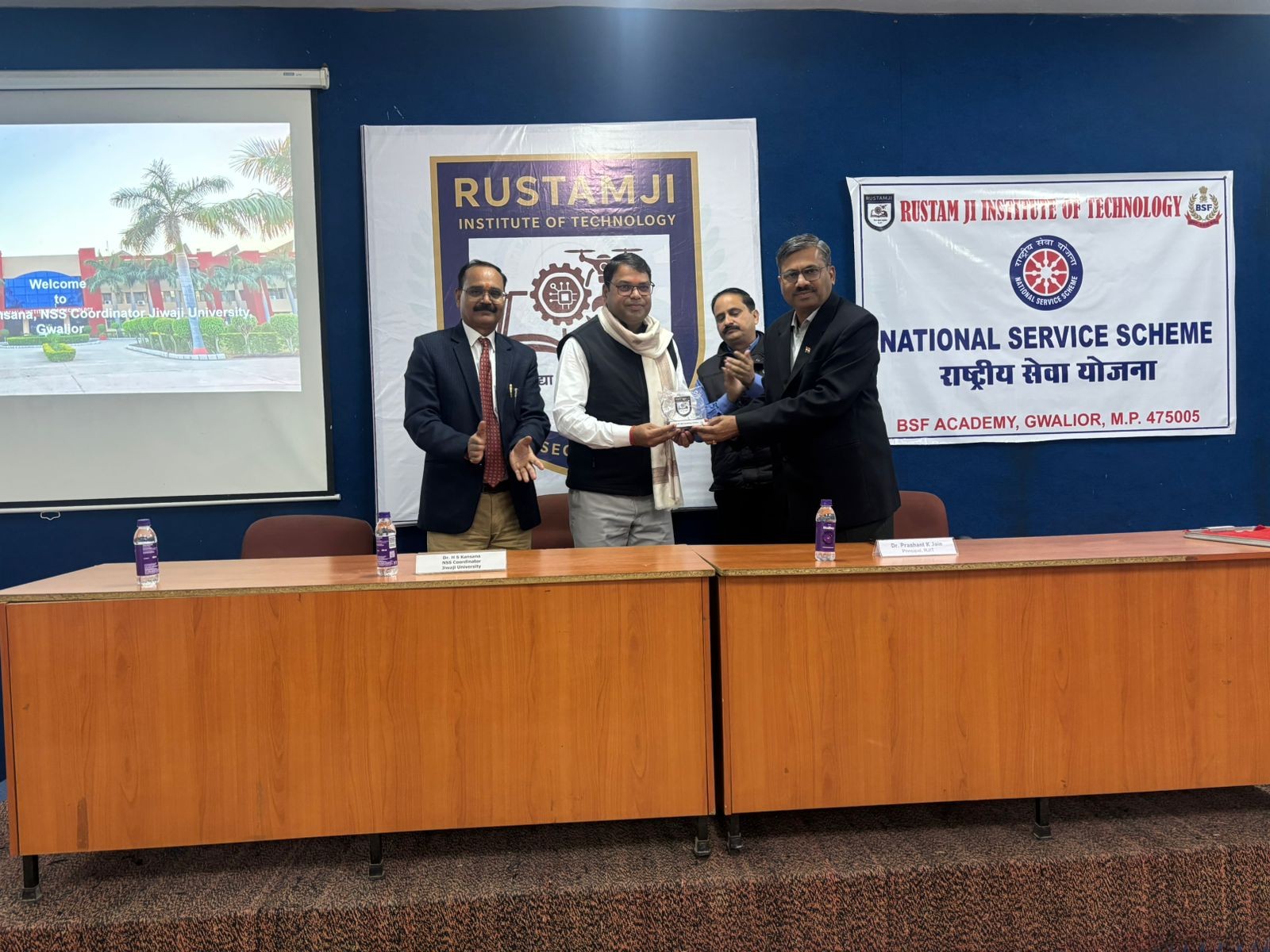
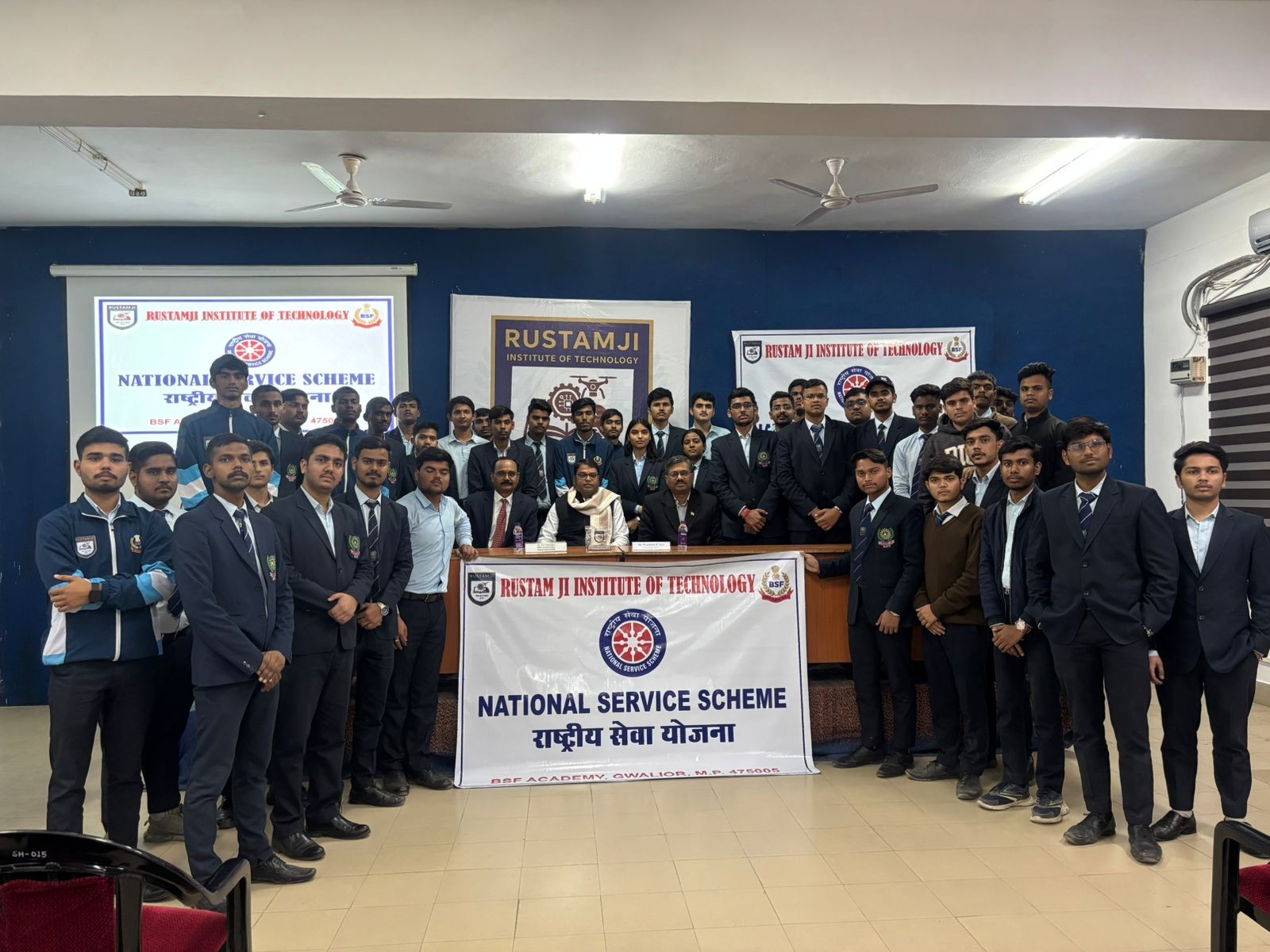
To involve NSS students of the Institute to interact with rural and urban women who lack formal education and identify projects suitable for upgradation using technology. NSS was formally launched on 24th September, 2017 at RJIT under the aegis of Jiwaji University Gwalior. 24 September is celebrated every year as NSS Day with appropriate programmes & activities.
NSS RJIT has a volunteer base of around 200 students belonging to various disciplines and degrees of RJIT. We work on a diverse range of social issues including blood donation, teaching, environmental issues, etc. We may also collaborate with several NGO’s in and around RJIT on working on these issues.
Blood Connect is an ambitious RJIT project to be launched with an aim to remove the concept of replacement donors through regular voluntary blood donations.
In order to increase awareness about several social issues among the student community we will conduct periodic lectures by eminent personalities working in the diverse social areas.
We encourage students to do projects related to environmental sustainability of the campus. These initiatives aim to build responsibility, practical awareness, and sustainable solutions for Institute development.
Need for rain water harvesting infrastructure expansion.
Water saving measures in the hostels and campus facilities.
Promoting greener transportation through electric rickshaws and eco-friendly movement.
Introduction of waste management systems and improved disposal practices.